Watches
The Watch
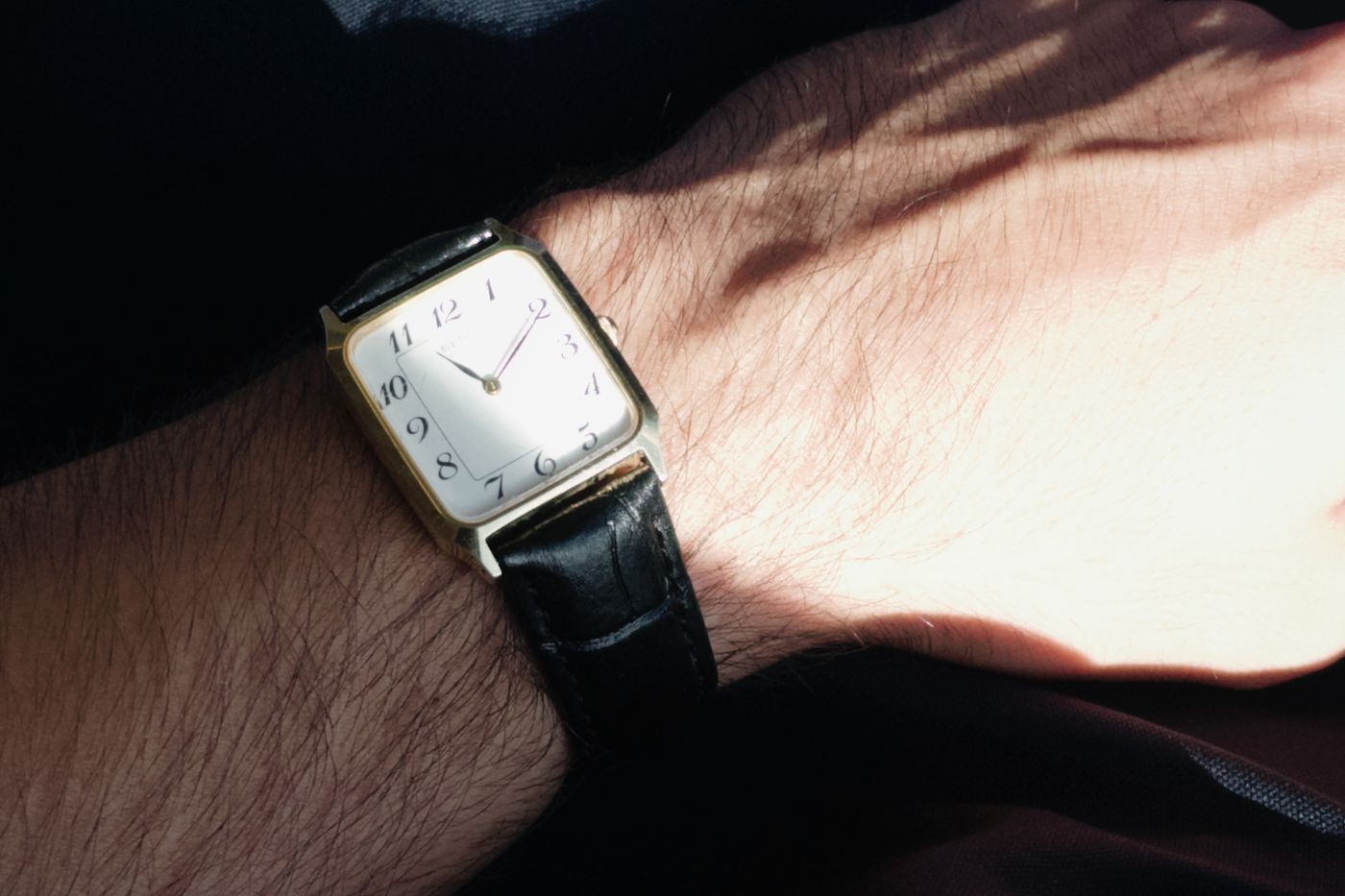
A watch carries more than precision. It carries a point of view, a history and the confidence to be noticed only by those who look closely. We consider the pieces that reward patience, provenance and a well-trained eye.
Provenance is most of the value
Two identical references can differ substantially in worth, and the difference is almost never mechanical. It is paperwork, service history, originality of the dial and hands, and whether the piece can be traced.
A watch with its original papers, a documented service record and an unpolished case is a different proposition from the same model with none of that, however similar they look across a table. Collectors who have made expensive mistakes tend to become very interested in documentation afterwards.
Condition, and the damage of over-restoration
The instinct to make an old watch look new is the most common and costly error in collecting. A heavily polished case loses its original lines, and those lines do not come back. A redialled piece loses most of its interest to a serious buyer.
Honest wear is not a defect. A case that still has its edges, a dial that has aged evenly, a movement that has been serviced by someone competent and documented — that is what holds value. The market has consistently rewarded restraint over refurbishment.
The circle matters more than the listing
Between Nice, Monaco, Geneva and Dubai, the collecting world is small enough that reputation travels faster than any advertisement. The pieces that change hands best rarely reach a public listing at all; they move between people who already know each other.
That is an advantage when you are introduced and a real disadvantage when you are not. It is also why the first question worth asking about any piece is not what it costs but who is selling it and why.
What a first serious piece should be
The advice that holds up is unglamorous: buy something you will wear weekly rather than something you will photograph once. That usually means a size that suits your wrist rather than the current fashion, a case material you will not worry about, and a complication you will actually use.
Date windows get used. Chronographs mostly do not. Perpetual calendars are magnificent objects and a maintenance commitment that should be entered into knowingly.
Servicing, and who should do it
A mechanical watch worn regularly wants attention every five to seven years, and the choice of watchmaker matters as much as the choice of piece. A manufacturer service is thorough and will often replace parts as a matter of policy — which is correct for a modern watch and can be damaging for a vintage one, where originality is most of the value.
For anything with age, an independent specialist who will service rather than renew is usually the better route. Ask what they intend to replace before they open the case, not after.
Where the market actually sits
Geneva remains the centre of gravity for auctions, Dubai has become the fastest-moving secondary market, and the Riviera sits between them — not a trading hub, but a place where a great many interesting pieces are owned and occasionally move quietly between neighbours.
That last category rarely appears in any public record, which is precisely why it is worth being known to the people who hold it.
Buying slowly
The right piece is usually the one you stop thinking about after you buy it. The wrong one announces itself within a month, generally because it was bought to be seen rather than to be worn.
Patience is the whole discipline. Pieces that reward a well-trained eye are not scarce in absolute terms — they are scarce at any given moment, which is a different problem and one that waiting solves.