Lifestyle
A Place to Return To
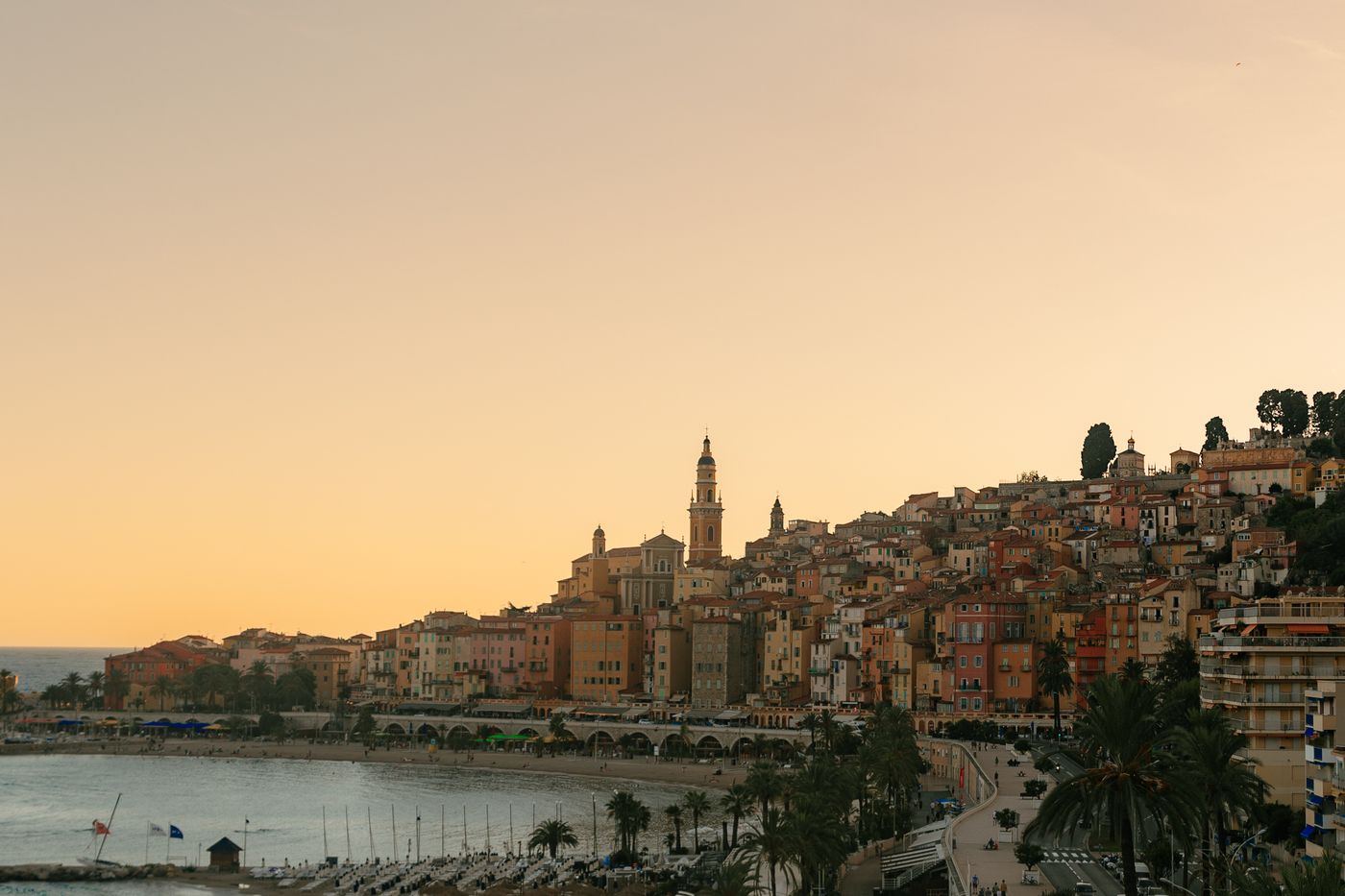
To return is to recognise what matters. The light at a certain hour, the welcome that never becomes routine, the sense that the place has kept a small space for you. TORRE Society is built around those rare relationships.
The difference between new and known
A first visit is mostly observation. You are reading the room, working out how it functions, deciding whether you like it. A tenth visit is something else entirely: you already know where to sit, and the attention you were spending on the place is available for the people you are with.
That shift is the real luxury. Novelty is easy to buy and gets cheaper every year. Familiarity cannot be bought at all — it can only be accumulated.
Why returning is undervalued
There is pressure, on this coast especially, to always be somewhere new. The newest opening, the address nobody has written about yet. It makes for good conversation and a thin life.
The people who seem most at home here are almost never the ones with the longest list. They are the ones with a short list they have kept for years, where they are recognised on arrival and where the staff have watched their children grow up.
What it asks of you
Being a regular somewhere is not a status conferred by spending. It is earned by turning up, behaving consistently, and treating the people who work there as people. It takes years and no amount of money shortens it.
The same is true of a property. A house becomes a home at roughly the pace you let it, which is usually slower than anyone expects and has very little to do with how much was spent on it.
Recognition cannot be purchased
There is a version of hospitality that money reliably buys: the upgrade, the better table, the bottle sent over. It is pleasant and it is transactional, and both sides know it.
There is another version that no amount of spending produces on a first visit — being remembered, being asked about something you mentioned last time, being given the table you prefer without having to request it. That only comes from having returned, and from having been worth remembering.
Building the short list
Most people's list is longer than it should be and shallower than they think. The exercise worth doing is to name the five places where you are actually known, and be honest about how many of them qualify.
If the answer is one or two, that is normal. Adding to it is slow work: pick a place you genuinely like, go often enough that your face registers, and resist the urge to keep sampling alternatives. Depth beats breadth, and it takes about two years.
The same logic applies to property
The clients who are happiest with a house here are, almost without exception, the ones who had spent time in the area before they bought — who knew the street in February as well as in August, and who had already found the baker and the garage before they had the keys.
The ones who regret it bought a view. A view is wonderful and it is not a reason to live somewhere.
How we work
Most of what we do is repeat business in the truest sense: the same people, over years, in different contexts. Someone introduced for a property comes back about a watch, then about an evening, then about a friend who is moving.
A network is not a list of contacts. It is a short list of people who would take your call — and that list is built exactly the way a good address is, by returning.