Riviera
A Morning on the Riviera
There is a particular clarity to the Riviera before the day gathers speed. From the first light on the water to a table kept for those who know to arrive early, the morning reveals a more intimate coastline — one made of gestures, rituals and time well spent.
The hours that belong to residents
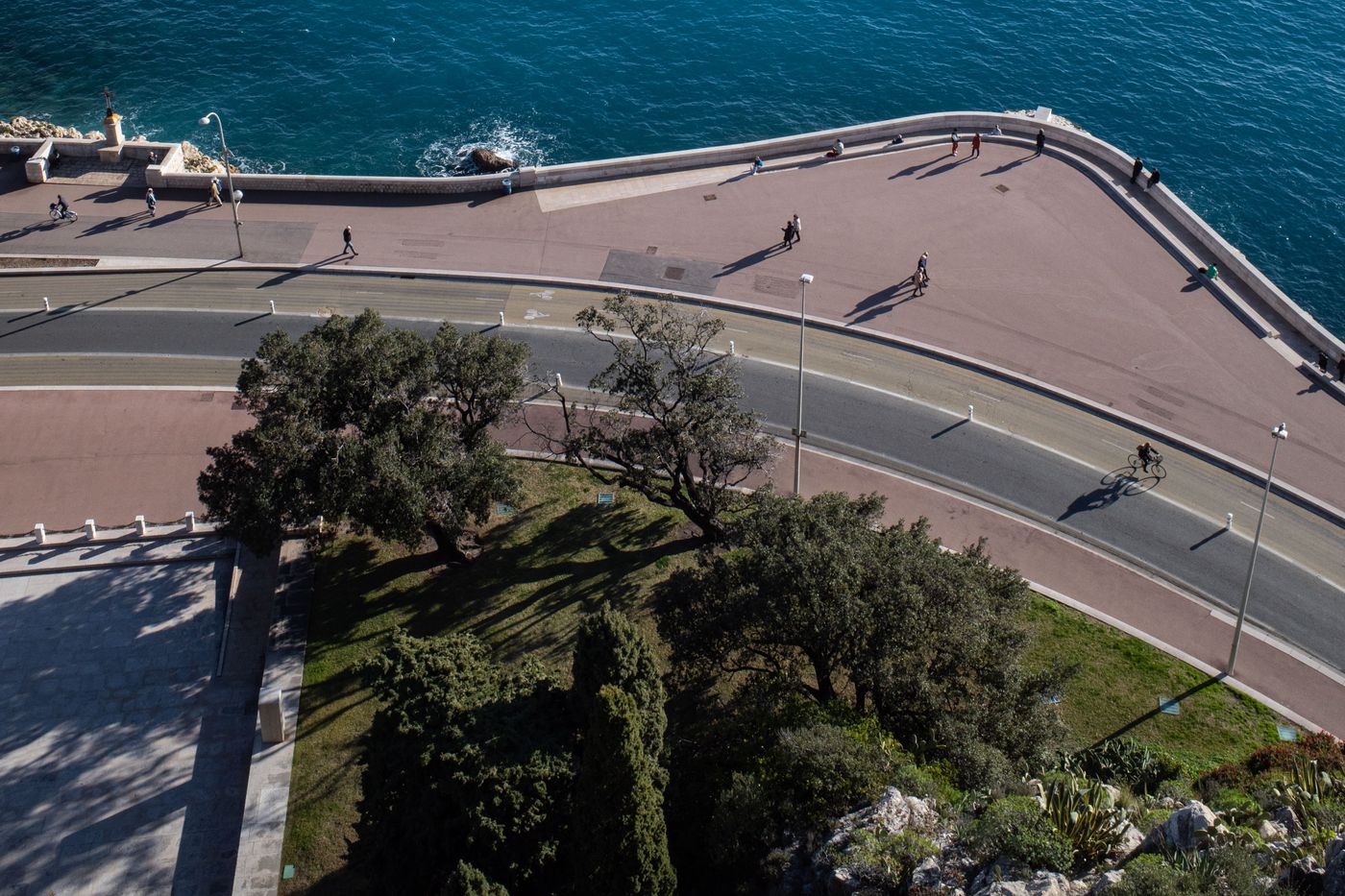
Between six and nine, the coast is at its most honest. The Promenade des Anglais belongs to swimmers and runners rather than to visitors. The market on the Cours Saleya is still being set out, crates opening onto the stone. The cafés are serving people who live here, who order without looking at a menu and read a paper rather than a phone.
By eleven the register has changed. Nothing is worse for it, but the coast has put on its public face, and the particular quality of the early hours — unhurried, slightly private — has gone until tomorrow.
What the light does
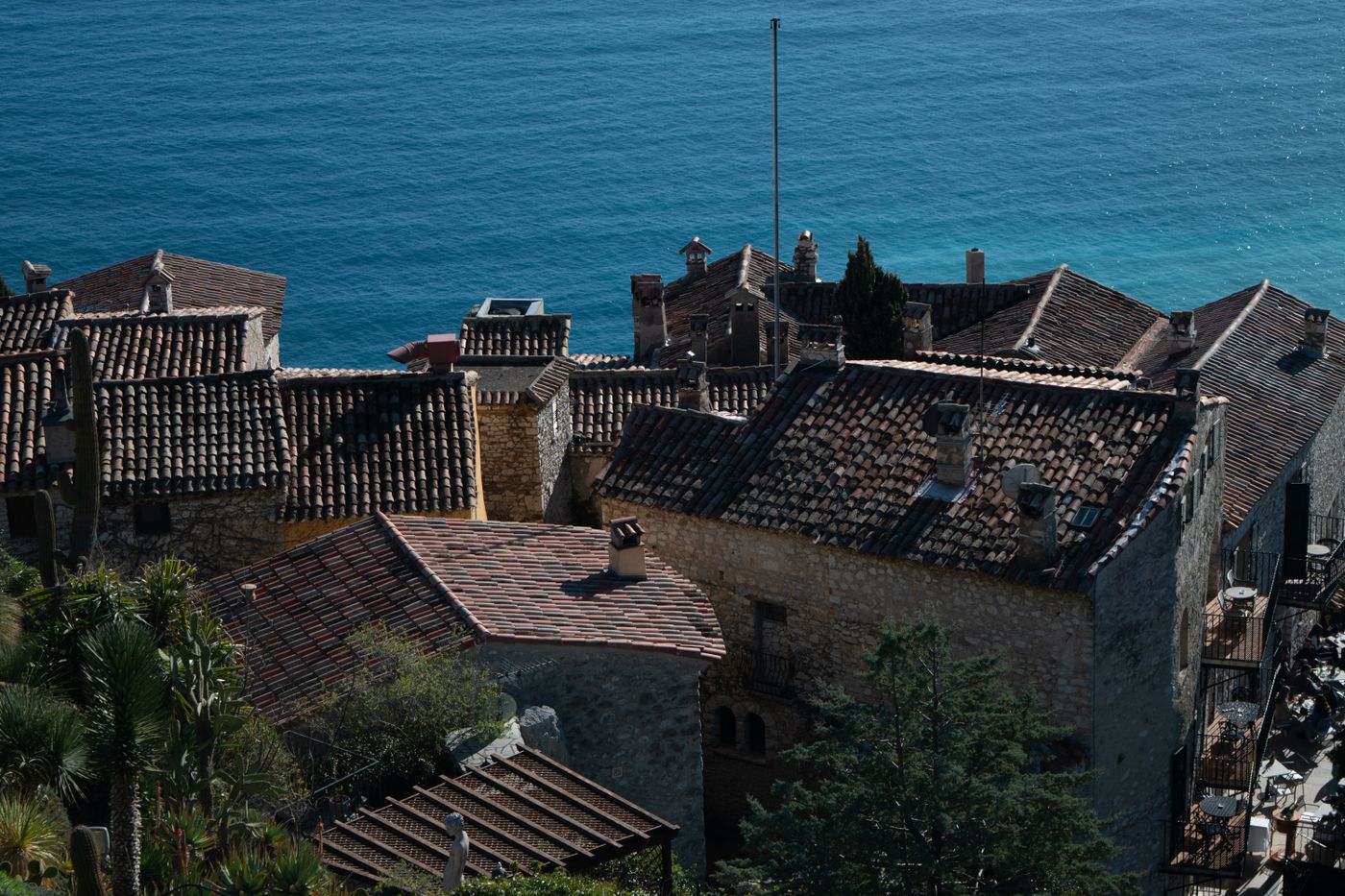
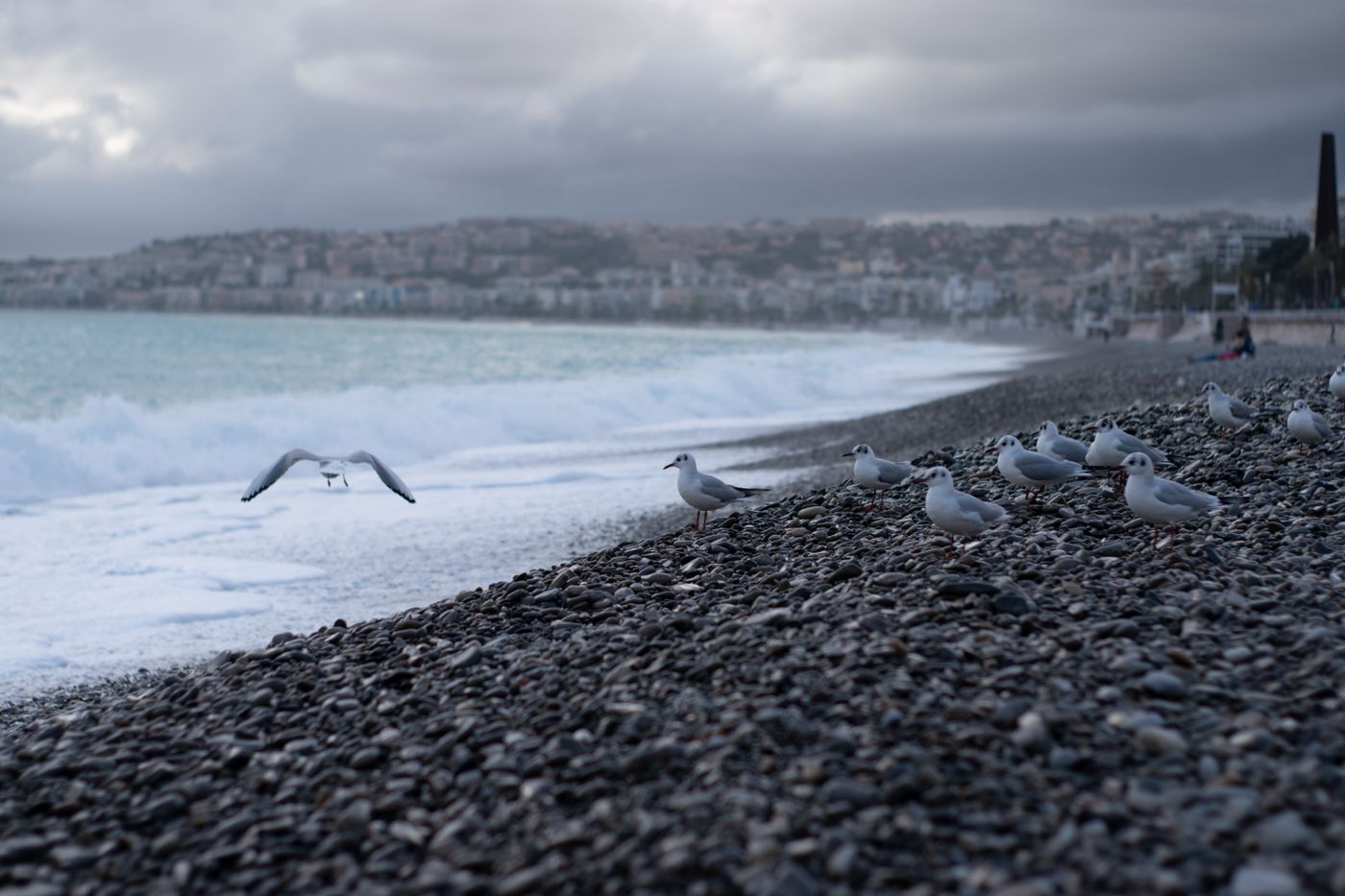
The Mediterranean reads differently before the sun is high. The water holds more grey and less postcard blue, the hills behind Nice keep their shadow, and the buildings along the front show their age in a way that midday flattens out. Photographers know this. So do people choosing where to live.
It is the reason we suggest seeing a property early whenever the choice exists. A terrace that is magnificent at six in the evening may face a wall of shade at nine in the morning, and a street that is quiet on a Sunday viewing can carry traffic from seven on a Tuesday. The light and the noise at the hour you will actually live there tell you more than any description.
A morning well spent
The pattern that works, and it is not complicated: swim before breakfast, eat somewhere you can watch the street, then walk rather than drive for the first hour. The coast is small. Much of what makes it worth knowing happens within a few hundred metres of the water, and almost none of it is visible from a car.
If you are considering a neighbourhood, go twice — once early, once after dark. The difference between the two is the thing nobody writes in a listing.
Where the coast wakes differently
Nice wakes as a working city: deliveries on the rue Masséna, the flower market assembling, trams already full. Villefranche-sur-Mer barely wakes at all — the bay holds the light and the village stays quiet until the first boats move. Menton, further east, keeps the slowest rhythm of the whole coast and the gardens are at their best before the heat.
Monaco is the exception. It is busiest early, because it is a place where people work, and the harbour at eight has more purpose in it than at any other hour.
A practical note on the season
From November to March the mornings are the best part of the day and often the only part worth planning around — the light is low, the air is clear and the coast belongs to the people who live on it. In July and August the opposite is true: the morning is the only part of the day that is comfortable, and by eleven the decision has been made for you.
Spring is the exception that justifies the whole coast. Between late March and early June the mornings are warm enough to swim and quiet enough to think, and that combination lasts perhaps ten weeks.
Why it matters to us
A good introduction follows the same principle. It happens before the day gets loud, between people who have time to speak properly, and it tends to be worth more than one arranged in a hurry. The coast teaches that, if you are up early enough to notice.